
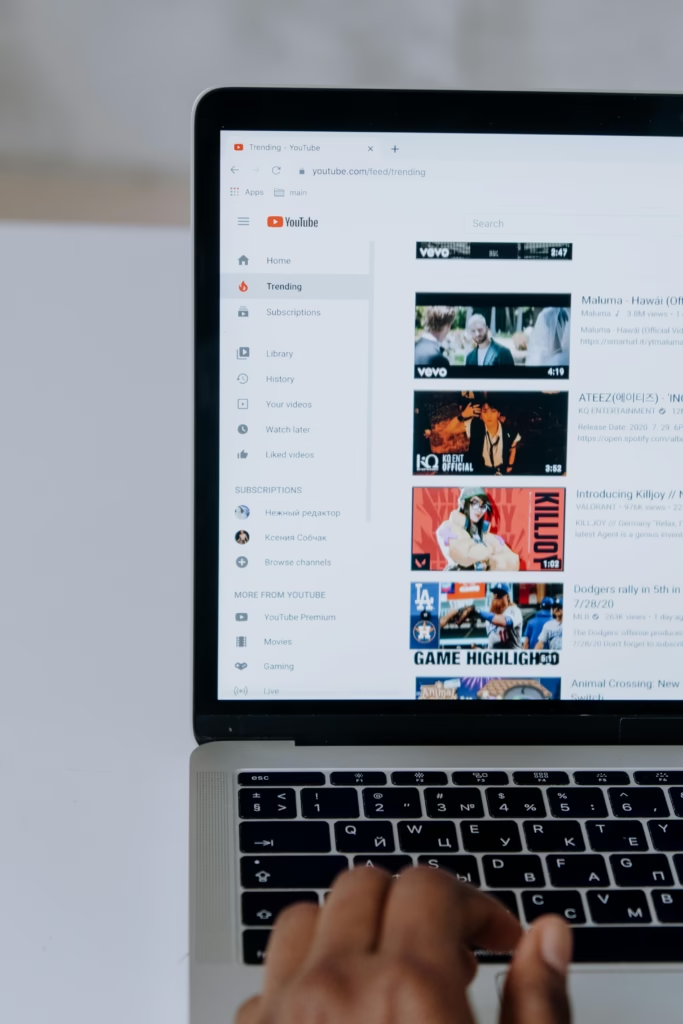
In today’s fast-paced digital world, video has become the most powerful medium for storytelling and marketing. And when it comes to online video, YouTube stands out as the undisputed leader — with over 2.7 billion monthly active users consuming more than a billion hours of content every day.
For brands and marketers, this presents a massive opportunity — but only if your ads reach the right people. That’s where YouTube ad targeting becomes the real game-changer.
In this comprehensive guide, we’ll break down everything you need to know about YouTube ad targeting — from how it works, its types, advanced strategies, and real-world examples to help you drive conversions and maximize ROI in 2025.
What Is YouTube Ad Targeting?
 YouTube ad targeting refers to the process of defining who sees your video ads on YouTube. Instead of showing your ad to everyone, targeting helps you display it only to the people who are most likely to be interested in your product, service, or message.
For example:
- A fitness brand can target people who watch workout tutorials.
- A travel company can show ads to users searching for best holiday destinations.
- A SaaS brand can reach professionals who follow business and productivity channels.
YouTube ad targeting ensures your budget is spent on relevant audiences — not wasted on impressions that don’t convert.
Why YouTube Ad Targeting Matters in 2025
 YouTube advertising is becoming more competitive as brands invest heavily in video campaigns. Without precise targeting, even the most creative ad will fail to deliver results.
Here’s why targeting precision is essential:
- Maximized ROI – You reach users most likely to convert, optimizing ad spend.
- Higher Engagement – Relevant ads capture attention faster and drive more interaction.
- Personalized Marketing – You can tailor messages to specific interests and behaviors.
- Reduced Ad Fatigue – Viewers see ads that match their needs, not random promotions.
- Better Brand Recall – Targeted ads are more memorable, building stronger brand associations.
In 2025, with the rise of AI-driven insights and privacy-first advertising, intelligent targeting is becoming the cornerstone of YouTube marketing success.
Types of YouTube Ad Targeting

Let’s explore the main types:
🎯 1. Demographic Targeting
This allows you to filter your audience based on basic demographic information such as:
- Age
- Gender
- Parental status
- Household income
- Location (country, city, region)
✅ Example:
A luxury skincare brand can target women aged 25–40 in metro cities with higher household incomes.
This type of targeting helps tailor messaging and visuals to match the lifestyle and purchasing power of your ideal customers.
🧠 2. Interest Targeting
Interest targeting focuses on users’ passions, hobbies, and lifestyle choices.
You can choose from affinity audiences (long-term interests) or custom affinity audiences (specific interests you define).
✅ Example:
A travel agency can target users who have shown interest in adventure travel, budget trips, or luxury resorts.
Interest-based targeting is perfect for increasing brand awareness among people likely to engage with your niche.
💻 3. Keyword Targeting
You can target YouTube videos, channels, or search queries containing specific keywords.
✅ Example:
A digital marketing agency might target people searching for how to run Google Ads or YouTube marketing tips.
This method works best for intent-based targeting — reaching users when they are actively seeking related information.
📺 4. Placement Targeting
Placement targeting allows you to choose exactly where your ads appear — on specific YouTube videos, channels, or partner websites.
✅ Example:
A gaming accessories brand can place ads on popular gaming channels like PewDiePie or IGN.
This is ideal for brands that know exactly which creators or audiences align with their niche.
🔁 5. Remarketing (Retargeting) on YouTube
Remarketing lets you target users who have already interacted with your brand — watched your videos, visited your website, or subscribed to your channel.
✅ Example:
A brand can retarget viewers who watched 75% of a product demo video but didn’t make a purchase.
Remarketing is one of the most cost-efficient strategies for increasing conversions because you’re reaching people already familiar with your brand.
🛍️ 6. In-Market Audience Targeting
In-market audiences are users who are actively researching or considering a purchase in a particular category.
✅ Example:
A car dealership can target users searching for best SUVs in 2025 or watching car review videos.
These audiences have high intent, meaning they are closer to making a buying decision.
🔎 7. Life Event Targeting
This allows you to target people undergoing major life changes such as:
- Moving to a new home
- Getting married
- Graduating college
- Having a baby
✅ Example:
A furniture brand can target people moving into new homes, while a baby care brand can target new parents.
This is powerful for timing your message during key moments in consumers’ lives.
🧬 8. Custom Segments and Lookalike Targeting
Custom segments allow you to create your own audience based on:
- Specific keywords
- URLs (competitor websites)
- Apps your target audience uses
Lookalike (or similar audiences) targeting helps you reach new users similar to your existing customers — expanding your reach intelligently.
✅ Example:
If your current customers often visit tech blogs or subscribe to gadget channels, Google Ads can find similar profiles to show your ad.
How to Set Up YouTube Ad Targeting (Step-by-Step)
 Here’s a simplified walkthrough:
- Sign in to Google Ads → Click on Campaigns → Choose Video.
- Select Your Goal → Options include Sales, Leads, Website Traffic, Brand Awareness, etc.
- Choose Campaign Type → e.g., Custom Video Campaign for flexibility.
- Set Budget and Bidding → Choose daily budget or total campaign limit.
- Select Networks → YouTube videos, YouTube search results, or Display Network.
- Define Target Audience → This is where targeting comes in:
- Add demographics
- Choose interests or keywords
- Select placements or remarketing lists
- Upload Your Video Ad → Add the YouTube video link and call-to-action (CTA).
- Launch and Monitor → Use analytics to optimize your targeting continuously.
Best Practices for YouTube Ad Targeting Success
 To get the most out of your ad spend, follow these proven strategies:
✅ 1. Combine Targeting Layers
Use multiple filters (e.g., age + interests + keywords) to narrow down the audience. It improves relevance and performance.
✅ 2. Exclude Irrelevant Audiences
Use negative keywords or exclusion filters to prevent your ad from showing on unrelated content.
✅ 3. A/B Test Your Targeting Options
Test different combinations (e.g., in-market vs. keyword audiences) to see what drives the highest engagement and conversion.
✅ 4. Analyze Watch Time and Engagement Metrics
High view rates and long watch times indicate that your targeting is effective.
✅ 5. Use Retargeting for Conversions
Always run remarketing ads for users who interacted but didn’t convert — they’re your warm leads.
✅ 6. Align Your Ad Creative with Targeting
If you target gamers, use gaming visuals and language. If you target professionals, keep it clean and informative.
✅ 7. Leverage AI and Machine Learning Tools
Google Ads’ Smart Bidding and AI-based audience insights can automatically optimize targeting and budget allocation.
Common Mistakes to Avoid in YouTube Ad Targeting
 Even the best campaigns can fail if targeting isn’t done right. Watch out for these pitfalls:
- 🎯 Targeting too broadly — leads to wasted ad spend.
- ⚙️ Ignoring performance data — not refining campaigns based on insights.
- 💸 Overlooking remarketing — missing out on warm audiences.
- 📊 Not tracking conversions — you can’t measure ROI without it.
- ⛔ Neglecting mobile users — most YouTube viewers are on mobile devices.
Fine-tuning your audience continuously is key to long-term success.
Real-World Example: Targeting Done Right
 Brand: Grammarly
Goal: Drive awareness and conversions for its writing tool.
Strategy:
- Targeted users watching how to improve writing or email etiquette videos.
- Used in-market and keyword targeting together.
- Created personalized video ads for students, professionals, and content creators.
Result:
Grammarly achieved millions of impressions, high engagement, and a surge in conversions — all through precise YouTube ad targeting.
YouTube Ad Targeting Trends in 2025
 The future of targeting is becoming smarter and more privacy conscious. Here are trends shaping the next wave:
- AI-Driven Predictive Targeting – Machine learning identifies high-intent users even before they search.
- Contextual Targeting Revival – Ads based on video context, not user data, to comply with privacy laws.
- Voice Search Integration – Ads appearing based on voice-activated YouTube queries.
- YouTube Shorts Ads – Vertical, mobile-first targeting opportunities.
- Cross-Platform Targeting – Integration with Google TV, mobile apps, and YouTube Music.
Staying ahead of these shifts will ensure your brand remains visible and relevant.

In 2025, AI-driven optimization is no longer optional — it’s essential. Google’s AI now analyzes real-time data from millions of touchpoints to help advertisers target more effectively. Features like Smart Bidding, Predictive Audiences, and Dynamic Ad Adjustments can automatically adjust bids, refine audience segments, and tailor creatives based on performance trends. Marketers who leverage automation can focus on strategy and storytelling, while AI ensures every dollar spent is optimized for the highest possible ROI.
Conclusion
In the evolving world of digital marketing, YouTube ad targeting is not just about showing your ad — it’s about showing it to the right person, at the right time, in the right context.
With billions of viewers and advanced targeting tools, YouTube offers endless opportunities for brands to connect with audiences who matter most. By combining demographic, interest-based, and behavioral targeting with AI-driven insights, you can turn viewers into customers and awareness into measurable growth.
So, as you plan your YouTube ad strategy for 2025, remember: the magic lies not just in your message, but in who you deliver it to.
Start targeting smarter — and let YouTube’s massive reach work for your business.
Author: Fathima Saniyya